
Independent frames, not duplicates
One action requests separate model outputs. The contact cells hold distinct image URLs rather than repeating a single result in multiple boxes.
THE OPEN CONTACT SHEET
Turn one compact story beat into a three-panel visual sequence. Compare independent sheets for clearer staging, readable gutters, and a stronger final beat.
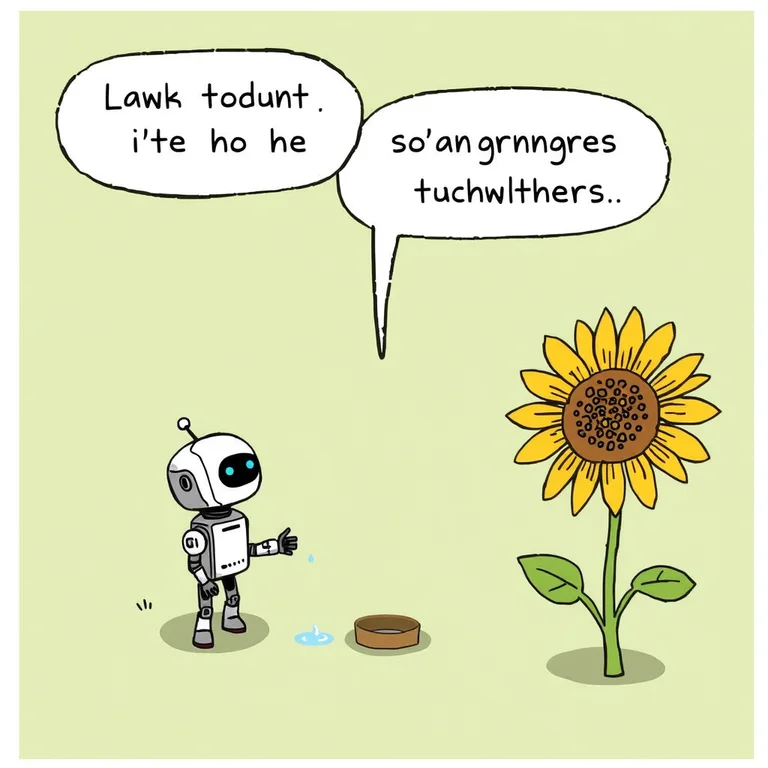
three-panel comic strip about a small robot learning to water one stubborn sunflower, clear panel gutters, expressive visual storytelling
One action requests separate model outputs. The contact cells hold distinct image URLs rather than repeating a single result in multiple boxes.
Click any contact cell to promote it to the large view. Download and follow-up actions always apply to the frame you selected.
Square, portrait, widescreen, and phone-vertical formats are available. Focused pages add crop or sequence constraints for their intended use.
Finished sample sheets appear on first paint with the producing prompts printed beside them. Loading the page itself never spends an inference request.
There is no profile, saved cloud gallery, trial, or payment form. Download the frame you want before the temporary output link expires.
Each contact sheet counts as one generation against the per-IP hourly limit, regardless of its configured number of image variations.
Choose a situation that can change clearly across a beginning, complication, and final reaction.
One or two original characters are easier to keep consistent than a crowd with several costumes and props.
Check each variation for left-to-right order, repeated characters, stable setting, and a final panel that resolves the beat.
Download the strongest visual sequence, then write captions or dialogue in a comic editor where spelling stays under your control.
A three-panel strip is a sequence, not three unrelated illustrations placed in boxes. Start with a situation whose change can be seen: a robot approaches a wilted flower, tries the wrong watering tool, then watches one bright leaf appear. The generator fixes the format to three left-to-right panels with clear gutters and asks for the same original characters and setting throughout. Your brief should supply the action and the final turn, not camera terminology for every frame.
Use a small cast. One protagonist and one object are enough for many strips; two characters can support a reaction or misunderstanding. Give each character one stable identifier, such as “small square gardening robot with a red watering can” or “two gray pigeons, one wearing a paper hat.” Do not change clothing, time of day, location, and art treatment simultaneously. The model must spend its consistency budget somewhere. A prompt like “two pigeons try to carry a baguette through a revolving door” already implies a setup, obstacle, and visual payoff.
Promote each contact-sheet cell and read the panels in order without inventing missing events. Check that gutters remain distinct, characters do not jump sides without reason, props persist, and the final panel changes the situation. Generated lettering is unreliable and often distracts from sequence evaluation, so the fixed instructions exclude speech balloons and text. Add dialogue, captions, sound effects, or panel numbers afterward in a comic-layout tool where you can verify every word. If the story does not read silently, simplify the action before adding prose.
This generator makes one raster image containing a short strip. It is not a page-layout engine, storyboard timeline, or recurring-character system. Longer comics need character references, repeatable designs, editable layers, and deliberate page composition. Use this page to discover a visual gag, compare staging alternatives, or draft a classroom story prompt. The variation grid matters here because panel logic is fragile: a second independent attempt can solve continuity even when the first has prettier individual drawings.
Make one compact identity image or a single tall frame designed around phone interface space.
Create a profile picture for any platform, not one preset service. Each sheet keeps the face or character readable inside a small circular crop.
Create a tall phone image with quiet space around the clock and icon areas. Compare independent vertical frames before choosing the one that survives the interface.
This launch page is intentionally shaped for three panels. Longer sequences need stronger character and layout controls than this one-shot tool provides.
The generator excludes text because model lettering is unreliable. Add verified dialogue and captions later in a comic editor.
Use one or two original characters, give each one a single visible identifier, and keep the location and time stable across the three beats.
Panel continuity is fragile. One sheet may stage the action more clearly even when another has stronger individual drawings.
Yes. Three contact-sheet generations per IP address are available each hour without signup, paid credits, or a watermark.